A Guide to Webster Groves Historic Home Styles
June 11, 2026
June 11, 2026
What makes Webster Groves feel so memorable when you drive or walk its streets? It is not one signature house type. It is the mix. From stately Colonial Revival homes to cozy bungalows and a smaller set of postwar ranch and mid-century properties, Webster Groves has a layered architectural story that gives block after block its own personality. If you are buying, selling, or simply trying to understand what shapes value and appeal here, this guide will help you read the streetscape with more confidence. Let’s dive in.
Webster Groves grew as a commuter suburb connected to rail and streetcar expansion, so it did not develop around just one housing style. That history shows up clearly today in a cityscape with late-Victorian homes, revival-era houses, bungalows, and later postwar forms living side by side.
The result is variety with a strong sense of continuity. The Webster Groves Historical Society notes that the city is full of homes in many architectural styles, and nearly 500 homes have Century Home plaques. That old-home base helps explain why so many streets feel established, layered, and full of visual interest.
Colonial Revival is one of the most important styles to notice in Webster Groves. In Webster Park, National Register documentation identifies it as the prevailing style in the district, with 100 examples, and notes that early examples are often the largest and most refined.
These homes often feel timeless from the street. Their facades tend to look balanced and symmetrical, with a formal but comfortable presence that many buyers find easy to love. If you are drawn to traditional curb appeal, this is often the style that delivers it.
From a selling standpoint, Colonial Revival homes often photograph beautifully because the architecture reads clearly. For buyers, they can feel like a classic choice that offers character without being overly ornate.
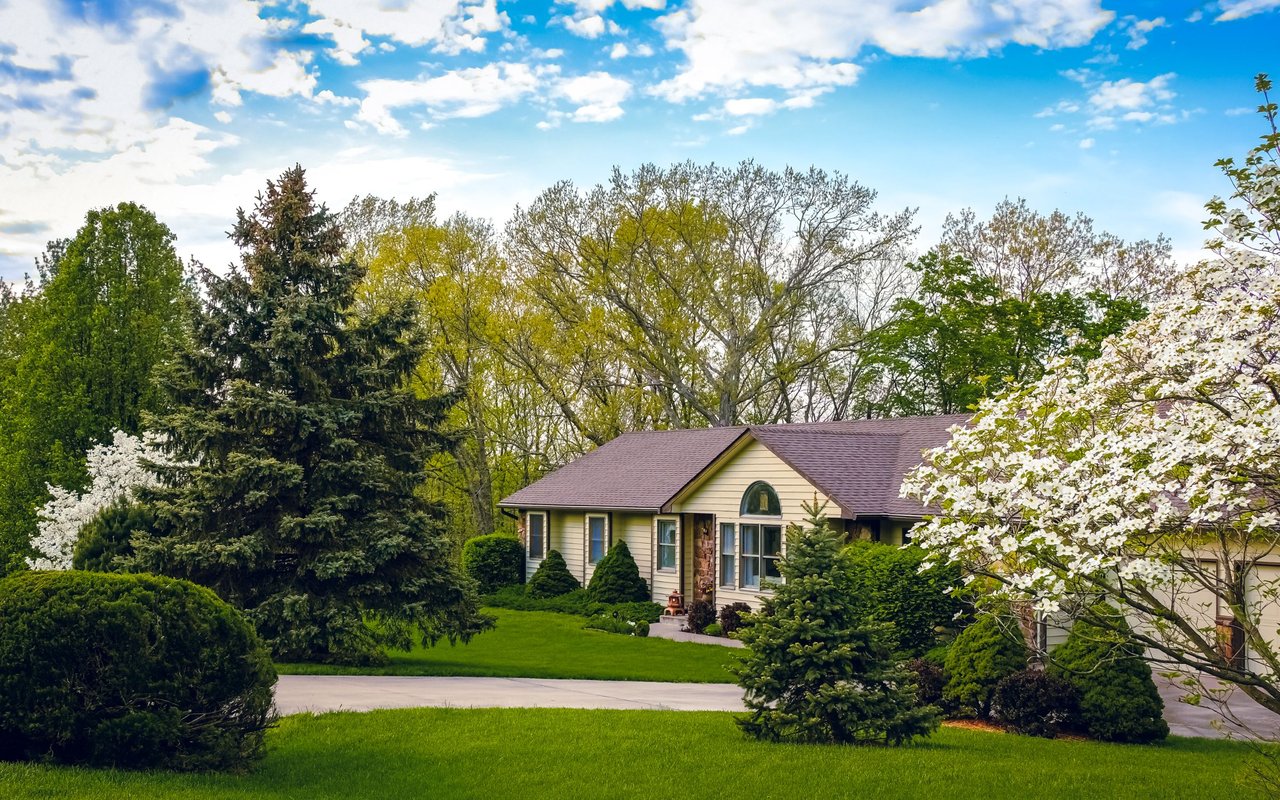
Bungalows and Craftsman-influenced homes are another key part of the Webster Groves look. Webster Park’s survey identifies 27 contributing Bungalow/Craftsman homes, and local walking tours point to 20th-century bungalows in areas such as Tuxedo Park and Central Webster.
These homes usually appeal for practical reasons as much as visual ones. Many buyers like the lower profile, inviting front porch, and efficient layout. They often feel cozy without feeling too small, which can make them especially attractive to buyers who want charm in a more manageable footprint.
On a street with larger revival homes, a bungalow often feels approachable and easy to picture yourself in. That balance of character and livability is a big part of its staying power.
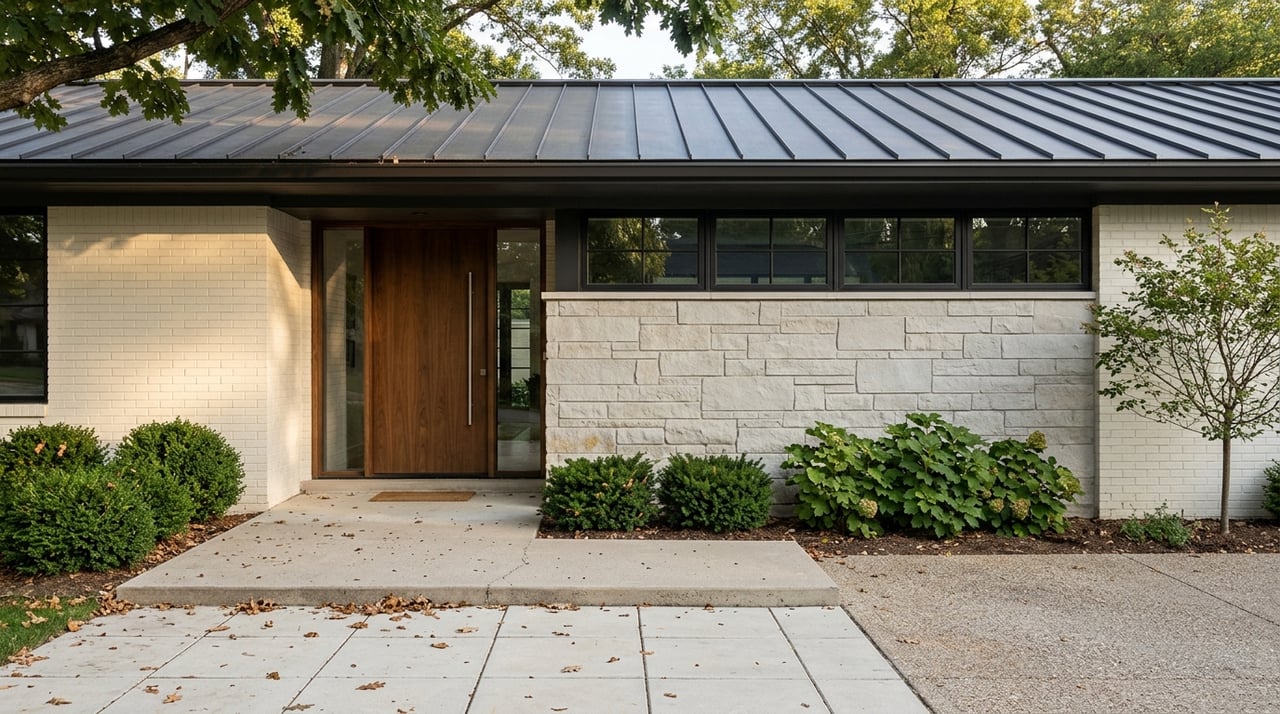
Mid-century and ranch homes are present in Webster Groves, though they are not the dominant historic style. In Webster Park, district documentation notes only a handful of Modern Movement and Ranch houses, plus one International Style house.
Even so, these homes add an important layer to the city’s architectural mix. Buyers who prefer simpler lines, larger windows, and a more open feel often appreciate the contrast. Compared with more detailed pre-war homes, they can feel lighter, less formal, and easier to live in day to day.
For some buyers, that simpler look is exactly the appeal. A mid-century or ranch home may not have the ornament of a Colonial Revival or Queen Anne, but it can offer a clean, practical style that still fits comfortably into the Webster Groves setting.
Webster Groves would not feel the same without its supporting cast of architectural styles. Queen Anne, Tudor Revival, Prairie, Shingle, Mission or Spanish Colonial Revival, and Beaux Arts examples all help give the city its layered identity.
That variety is especially noticeable when you move from one area to another. Historic Webster’s walking-tour materials describe Webster Park as tree-lined and meandering with large Queen Anne homes, Central Webster as having a wide variety of architectural styles, and Tuxedo Park as a place of gracious Queen Anne homes and tidy 20th-century bungalows.
In Old Webster, the streetscape adds a civic and commercial layer as well. There, Beaux Arts, Colonial Revival, Gothic Revival, and Mission Revival buildings sit alongside residential properties, which gives the area a different rhythm and visual texture.
Webster Park is a strong example of how architecture and street layout work together. The area is known for tree-lined, meandering streets and a concentration of larger homes, including notable Queen Anne and Colonial Revival examples.
If you are touring homes here, you may notice a more formal and established feeling from block to block. The architecture often feels substantial, and the street pattern adds to the sense of maturity and charm.
Central Webster offers one of the broadest mixes of styles. That variety can be a real advantage if you want Webster Groves character but are still figuring out what kind of home fits your taste and budget.
Instead of a uniform visual identity, this area gives you more architectural range. That can make your home search feel more flexible, especially if you appreciate older homes but are open to different layouts and scales.
Tuxedo Park combines gracious Queen Anne homes with tidy 20th-century bungalows. That pairing helps explain why the neighborhood can feel both distinctive and approachable.
It also reinforces an important point about Webster Groves pricing and appeal. Certain historic pockets can sit above the citywide norm, but style alone does not set value. Condition, updates, size, and exact location all matter.
The appeal of Webster Groves is not just that many homes are older. It is that many streets still preserve their original neighborhood character. Buyers are often drawn to porches, mature trees, original millwork, and blocks that feel like they have an architectural story to tell.
That sense of place matters. A home here is often about more than square footage or finishes. It is also about how the house sits on the street, how the block feels, and whether the architecture matches the kind of daily life you want.
For some buyers, that means a symmetrical Colonial Revival with strong curb appeal. For others, it means a bungalow with a welcoming porch or a mid-century home with simpler lines and a more open feel.
If you are selling in Webster Groves, architectural style can absolutely shape first impressions. It helps buyers decide whether a home feels classic, cozy, refined, or streamlined before they even walk in the front door.
That said, style works best when it is paired with thoughtful presentation and realistic pricing. A beautifully preserved Colonial Revival may stand out for its symmetry and detail, while a bungalow may win buyers over through warmth and livability. The strongest results usually come when the home’s architecture is understood, respected, and presented clearly.
This is one reason hyperlocal guidance matters in Webster Groves. Buyers here are often responding to subtleties such as original features, condition of exterior elements, and how a home fits into the surrounding streetscape.
Older homes in Webster Groves often reward a preservation-minded approach. In general, National Park Service guidance emphasizes repair over unnecessary replacement for historic wood windows, careful upkeep of wood porches, and compatible repointing for historic masonry.
That does not mean every older home carries the same maintenance profile. It means you should expect the needs to vary by architectural style and original materials.
With Colonial Revival homes, common long-term watch points often include paint and trim, historic wood windows, masonry joints, and porch details. If you own or buy one, it helps to think in terms of steady exterior care rather than quick cosmetic fixes.
Preservation guidance specifically supports repairing historic wood windows when possible and repointing masonry with compatible mortar instead of hard modern mixes. For a seller, that kind of care can help preserve both character and market appeal.
Bungalows often concentrate upkeep in wood porches, exposed trim, siding, windows, and roof edges. Because porches are such a visible part of the style, their condition can shape both function and curb appeal.
For buyers, this is worth noticing during a home search. A bungalow may feel approachable and charming, but its woodwork and porch details usually deserve close attention over time.
Mid-century and ranch homes tend to shift attention away from decorative trim and toward systems and envelope performance. Roof drainage, window performance, flashing, and updates to older systems can matter more here than ornamental upkeep.
Because these homes often rely on larger windows and simpler rooflines, maintenance can show up in different ways than it does in an older revival home. The look may be simpler, but that does not always mean the care is minimal.
Pricing in Webster Groves varies by source and by property type, which is normal in an active market. As of spring 2026, Realtor.com reported a citywide median listing price of about $349,950 and a median sold price of about $425,000. Redfin reported a median sale price of about $424,000, and Zillow listed an average home value of about $427,994.
Those numbers are useful as broad context, not as a shortcut for valuing a specific architectural style. Realtor.com also showed Tuxedo Park at a higher median listing price of about $537,000, which highlights how some historic pockets can sit above the citywide norm.
The most practical way to think about value is this: style matters, but it is only one piece of the picture. Size, level of renovation, condition, and location within Webster Groves all influence pricing. A smaller or less-updated bungalow may land closer to the citywide median, while a large, highly renovated Colonial Revival, Tudor, or Queen Anne home may command much more.
If you are trying to define Webster Groves in one architectural phrase, the best answer is probably that you cannot. The city’s identity comes from its variety. Colonial Revival, bungalow, Tudor, Queen Anne, and postwar homes all contribute to the experience of living here.
That variety gives buyers more ways to find a fit and gives sellers more ways to position a home thoughtfully. It also helps explain why Webster Groves continues to stand out in the St. Louis market. The architecture is not uniform, but the sense of place is strong.
When you understand the styles that shape Webster Groves streets, you can make more confident decisions about what you are seeing, what maintenance may come with it, and what makes one block feel different from the next.
If you are thinking about buying or selling in Webster Groves and want polished, neighborhood-specific guidance, Jill Azar & Jacque Mileusnic offer the kind of collaborative, high-touch support that helps you move forward with clarity.
From finding the perfect St. Louis neighborhood to negotiating the best sale price, we are with you from start to finish. We combine deep knowledge of the local market with a steadfast commitment to our clients. Let us make your buying or selling experience a complete success.
Jill Azar & Jacque Mileusnic
(314) 616-8836
[email protected]
(314) 795-7371
[email protected]
9889 Clayton Rd Saint Louis, MO 63124