Preparing Your Ladue Home For A Standout Sale
May 7, 2026
May 7, 2026
If you are getting ready to sell in Ladue, first impressions are not a small detail. In a market where buyers often have the time and budget to compare homes carefully, presentation can shape both interest and negotiating power. The good news is that you do not need to overhaul everything to make a strong impact. With the right prep plan, you can focus on the updates and finishing touches most likely to help your home stand out. Let’s dive in.
Ladue is a premium market, and recent housing snapshots point to a buyer pool that expects a polished presentation. Redfin’s March 2026 data shows a median sale price of $1.9 million and 42 days on market, while Realtor.com reports about 30 homes for sale, a median list price of $1.21 million, and 35 days on market. Even though those sources are not identical, they point to the same takeaway: buyers here can be selective.
Compared with St. Louis County overall, Ladue homes sit at a much higher price point. That means your home is often being judged not just on size or location, but on condition, styling, and how move-in ready it feels. A thoughtful prep strategy can reduce friction for buyers and help your home make a stronger impression from day one.
Before you think about bigger updates, focus on the prep steps that consistently matter most. National Association of Realtors data shows the most common seller recommendations are decluttering, cleaning the entire home, and improving curb appeal. These are simple in concept, but they can have a major effect on how buyers experience your property.
A clean, edited home feels better maintained. It also helps buyers notice the space itself instead of your belongings. In a Ladue home, where architecture and lot setting often play a big role in value, that clarity matters.
Decluttering is not about stripping away personality. It is about creating visual calm so buyers can focus on the room, light, and layout. That usually means removing excess furniture, clearing countertops, simplifying shelves, and storing personal items that make rooms feel busy.
If you have lived in your home for many years, this step often takes longer than expected. Start early and work room by room. A measured approach tends to feel less overwhelming and leads to better results.
A standard tidy-up is not enough before listing. Buyers notice windows, floors, grout, baseboards, light fixtures, and even how fresh the home smells when they walk in. A deep clean can make a home feel brighter, newer, and more cared for without changing a single finish.
Pay close attention to kitchens, baths, entry areas, and lower-level spaces. These are often the areas where signs of wear stand out most clearly during showings.
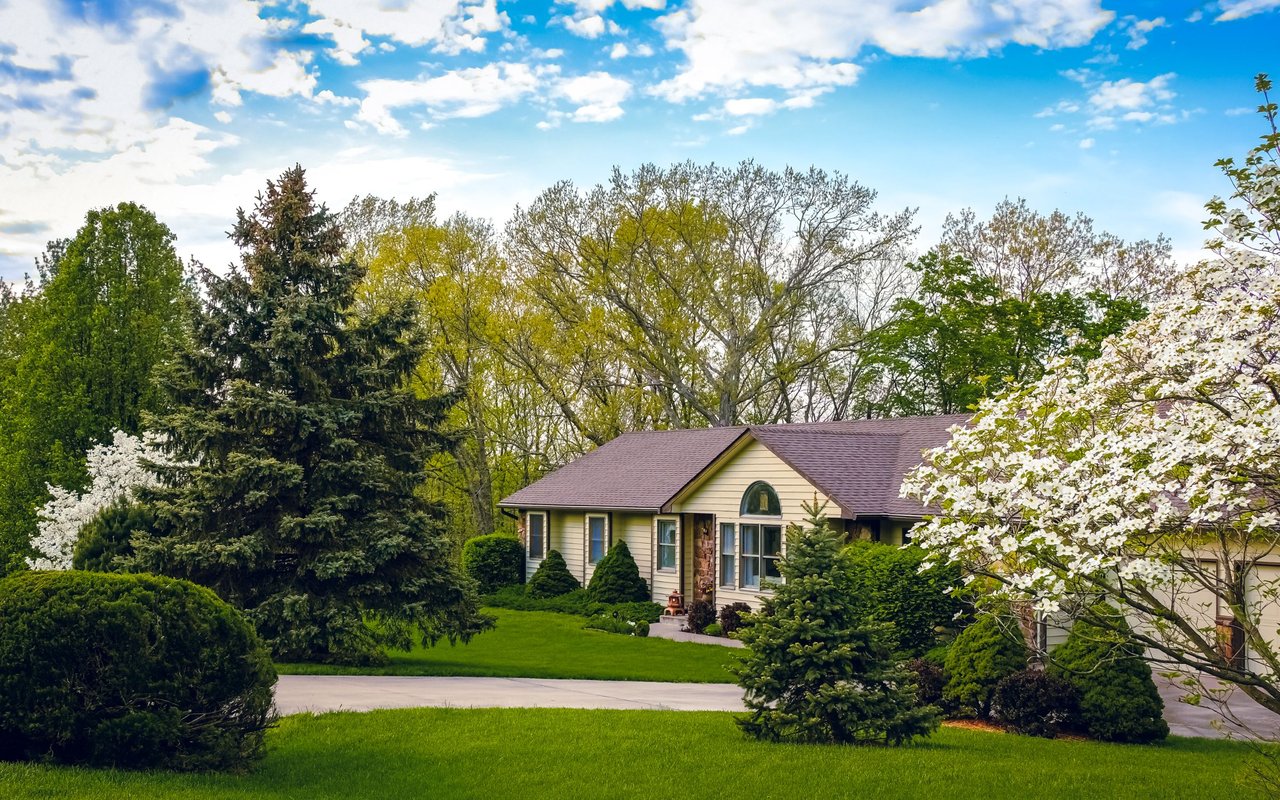
Curb appeal sets the tone before a buyer ever steps inside. In Ladue, a neat exterior and tasteful landscaping often do more for value perception than anything flashy or overly customized. The goal is to make your home look well maintained, welcoming, and in harmony with its setting.
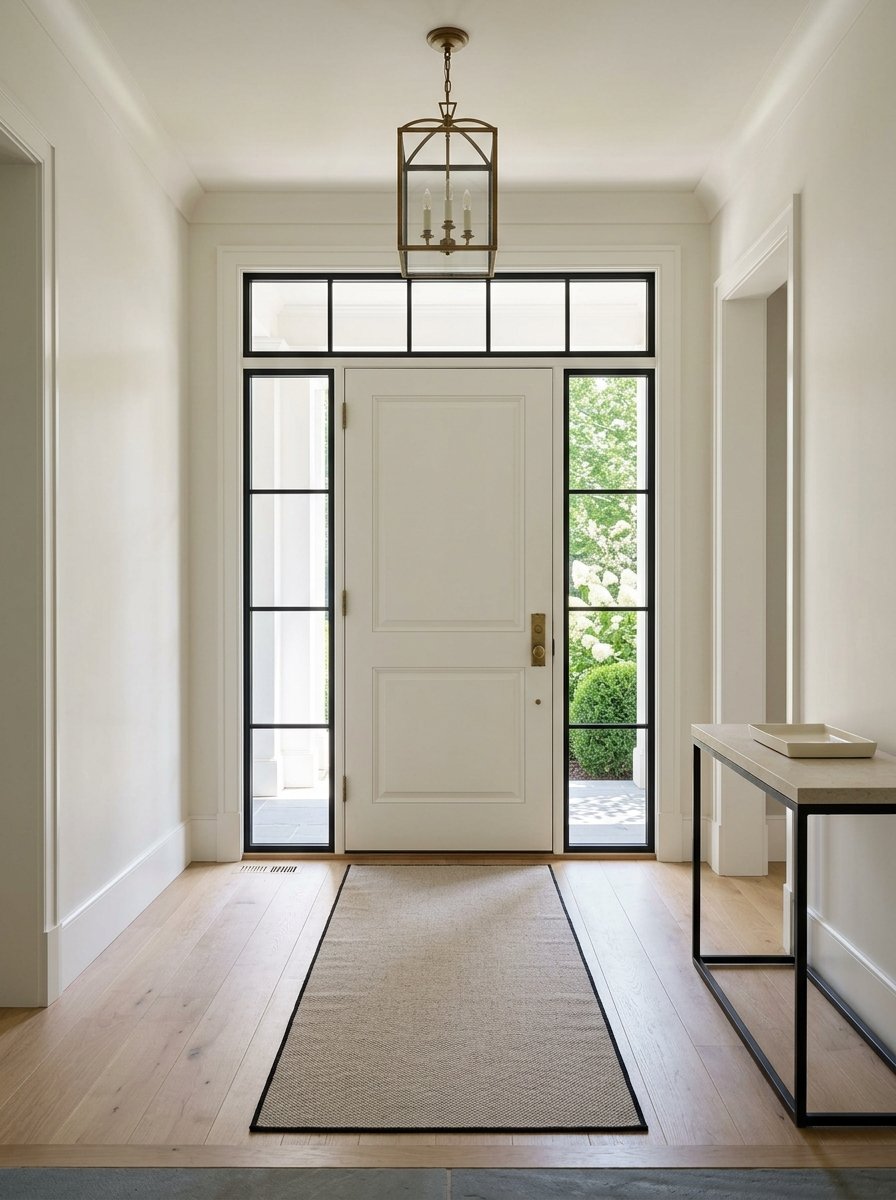
That may include trimming shrubs, refreshing mulch, cleaning walkways, touching up paint, and making sure the front entry feels crisp and inviting. According to NAR’s 2025 Remodeling Impact Report, visible improvements like a new steel front door or fiberglass front door can also offer strong cost recovery.
Many sellers assume they need a large renovation before going to market. In reality, the strongest resale payoff often comes from smaller, visible improvements that help a home feel fresh and cared for. NAR’s 2025 Remodeling Impact Report found especially strong estimated cost recovery for projects like a new steel front door, closet renovation, and new fiberglass front door.
Painting is also one of the most commonly recommended seller updates. Fresh, neutral paint can brighten rooms, soften wear, and make the overall home feel more cohesive. If you are deciding where to spend, visible updates that reduce buyer hesitation usually matter more than large, highly personal remodels.
If your budget is limited, start with updates buyers will notice quickly:
These changes can support a polished presentation without creating the delay, cost, or permit complexity of a major project.
Staging is not just for vacant homes or entry-level listings. NAR’s 2025 Home Staging report found that 83% of buyers’ agents said staging makes it easier for buyers to envision the property as a future home. The same report found that 29% said staging increased the dollar value offered by 1% to 10%.
That matters in every price range, including higher-end homes. In Ladue, staging can help highlight scale, light, and architecture while making the home feel inviting and easy to understand.
The rooms most often staged are the living room, primary bedroom, dining room, and kitchen. Buyers’ agents also reported that the living room matters most to buyers, followed by the primary bedroom and kitchen.
If you do not want to stage the entire home, begin there. These spaces often do the heavy lifting in listing photos and in-person showings.
For a luxury or move-up home, staging should feel refined rather than busy. The goal is not to make your home look generic. It is to show off the home’s proportions, bring attention to natural light, and help each room feel intentional.
In higher-end listings, NAR notes that buyers often respond well to designer pieces, contemporary art, and elevated accessories. Even modest staging can improve flow and help buyers connect emotionally with the home.
One of the biggest mistakes sellers make is assuming an exterior project is minor just because it seems cosmetic. In Ladue, many types of exterior work require review or permits. That can affect your timeline if you are trying to complete improvements before listing.
According to the City of Ladue’s building materials, new residences, additions, and exterior remodels require prior Architectural Review Board approval. Projects that alter the outward appearance of a building also require photographs of neighboring properties and notice to subdivision trustees.
Ladue’s materials also note that additions should maintain the character of the original building or relate well to it architecturally. That is one reason tasteful, context-sensitive improvements usually make more sense than bold design changes when preparing to sell.
Separate permits may also be required for common pre-list work such as tree removal, demolition, heating and cooling work, plumbing changes, electrical work, fences, decks, patios, and other exterior improvements. If your project changes the outward appearance of the home, the grade of the lot, or the tree canopy, confirm requirements early.
Tree removal over 6 inches in caliper is prohibited without a permit and may require city arborist review. If your curb appeal plan includes removing or heavily altering trees, do not assume your contractor can handle it informally. Checking with the city before work begins can save time and stress.
A pre-sale inspection can give you a clearer picture of what buyers are likely to notice during due diligence. NAR’s consumer guidance says sellers may choose a pre-sale inspection to identify trouble areas and make repairs before showings begin. NAR also notes that a pre-sale inspection can make the process quicker and easier.
This can be especially helpful in an established Ladue home. The typical seller has owned their home for 11 years, according to NAR, which helps explain why deferred maintenance can build up gradually over time.
Inspection concerns often include:
You may not need to repair every item before listing. But knowing what is there gives you more control over pricing, timing, and negotiation strategy.
If an inspection reveals larger concerns, replacement estimates can help buyers understand the economics of repair. That can make negotiations more productive because you are not trying to solve everything in the middle of a contract. Clear documentation often lowers uncertainty.
Paperwork may not be the most exciting part of selling, but it can make the transaction smoother. Missouri law defines an adverse material fact as a property-related fact that is not reasonably ascertainable or known to a party and that negatively affects value. Missouri’s brokerage statute also says a seller’s agent must disclose adverse material facts actually known or that should have been known.
For you, that means repair records, contractor invoices, warranties, and inspection reports are worth gathering before your home goes live. Good documentation supports cleaner conversations with buyers and helps show that the home has been responsibly maintained.
Federal law requires sellers of homes built before 1978 to disclose known lead-based paint hazards before the contract is signed, provide the EPA pamphlet, share available records and reports, and give buyers a 10-day opportunity to conduct a lead paint inspection or risk assessment. If older paint is peeling or damaged, treat that as both a safety and disclosure issue.
This is another reason to start preparing early. A small issue that seems cosmetic can sometimes carry larger implications once disclosures begin.
If you want a simple way to organize your next steps, start here:
Preparing your Ladue home for sale is not about chasing every possible project. It is about making smart choices that help buyers see the home clearly, feel confident in its condition, and appreciate what makes it special. In a selective market, that kind of preparation can make a real difference.
The best plan is usually tailored to your house, your timeline, and your likely buyer. If you want experienced guidance on what is worth doing before you list, Jill Azar & Jacque Mileusnic can help you build a thoughtful, high-touch strategy from prep through closing.
From finding the perfect St. Louis neighborhood to negotiating the best sale price, we are with you from start to finish. We combine deep knowledge of the local market with a steadfast commitment to our clients. Let us make your buying or selling experience a complete success.
Jill Azar & Jacque Mileusnic
(314) 616-8836
[email protected]
(314) 795-7371
[email protected]
9889 Clayton Rd Saint Louis, MO 63124